Traveling via Train
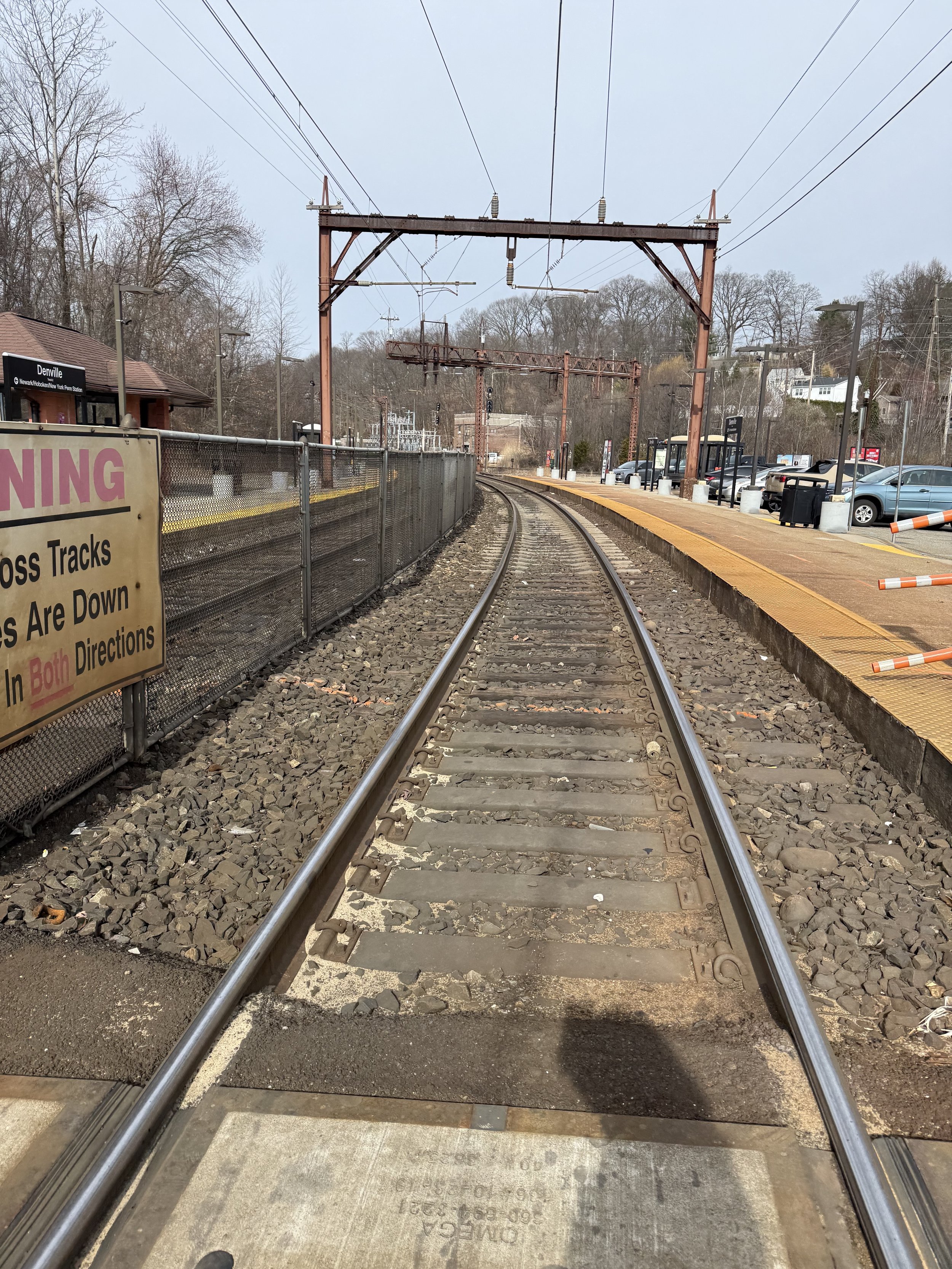
There is something about standing at the edge of a train track that feels like standing at the edge of time itself.
The steel lines stretch forward with quiet certainty, disappearing into a distance that promises movement, but also memory. You don’t just wait for a train—you wait for a version of the world that once moved differently. Slower. Closer. Together.
Public transportation, especially trains, carries a kind of nostalgia that feels almost sacred now. It wasn’t always romantic, of course. It was practical. Necessary. It was how people commuted, connected, existed alongside one another without the insulation of a car door or the isolation of a solo drive. It was shared rhythm—arrivals and departures marking the pulse of a city.
And yet somewhere along the way, especially in smaller cities like ours, we let that rhythm fade.
We traded the poetry of tracks for the efficiency of highways. We widened roads and narrowed our sense of proximity. We chose independence over interdependence, speed over presence. And maybe that made sense for a time. Maybe it felt like progress.
But standing here, looking down these tracks, I can’t help but feel like we left something behind.
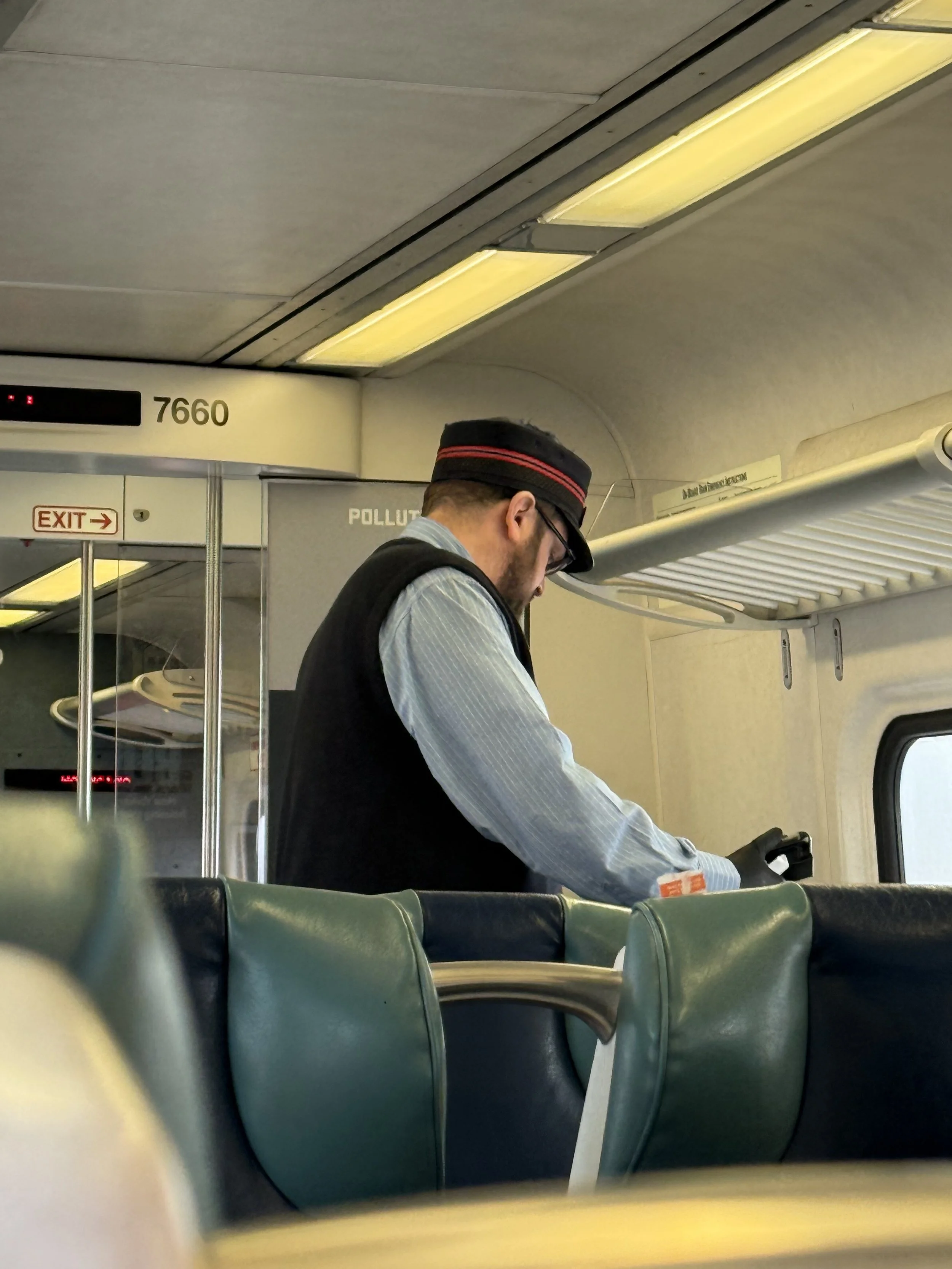
There’s a romance in trains that cars will never carry. The anticipation of who might sit across from you. The quiet acknowledgment of strangers sharing a destination, even if just for a moment. The landscape passing by like a living painting, reminding you that you are moving through a place, not just over it.
Trains ask you to surrender control. You are no longer the driver. You are the witness.
And in that surrender, something soft returns.
Time stretches. Thoughts wander. Conversations—if they happen—feel more intentional. Even silence feels communal. There is a kind of intimacy in public transport that our current systems rarely allow. A reminder that we were never meant to move through the world entirely alone.
So why did we let it go?
Was it convenience? Policy? Economics? Or was it something deeper—our growing discomfort with closeness, with sharing space, with slowing down long enough to notice each other?
Smaller cities especially seem to have let go of trains as if they belonged only to the past. As if they were relics instead of possibilities. But standing here, you can feel it: the infrastructure is still there. The tracks remain. The memory hasn’t disappeared—it’s just been quieted.
Maybe that’s why it feels like time travel.
Because when you stand on a platform like this, you are existing in two timelines at once. The present, where trains are rare and fleeting. And the past, where they were constant, reliable, alive with stories.
And maybe even the future—if we choose it.
Because what if we didn’t let this disappear completely? What if we remembered that movement can be communal, that travel can be reflective, that getting somewhere doesn’t always have to mean rushing past everything in between?
There is something radical in choosing to slow down.
Something beautiful in choosing to share space again.
The tracks are still here.
Waiting.
Not just for trains—but for us to remember how we once moved through the world, and how we still could.